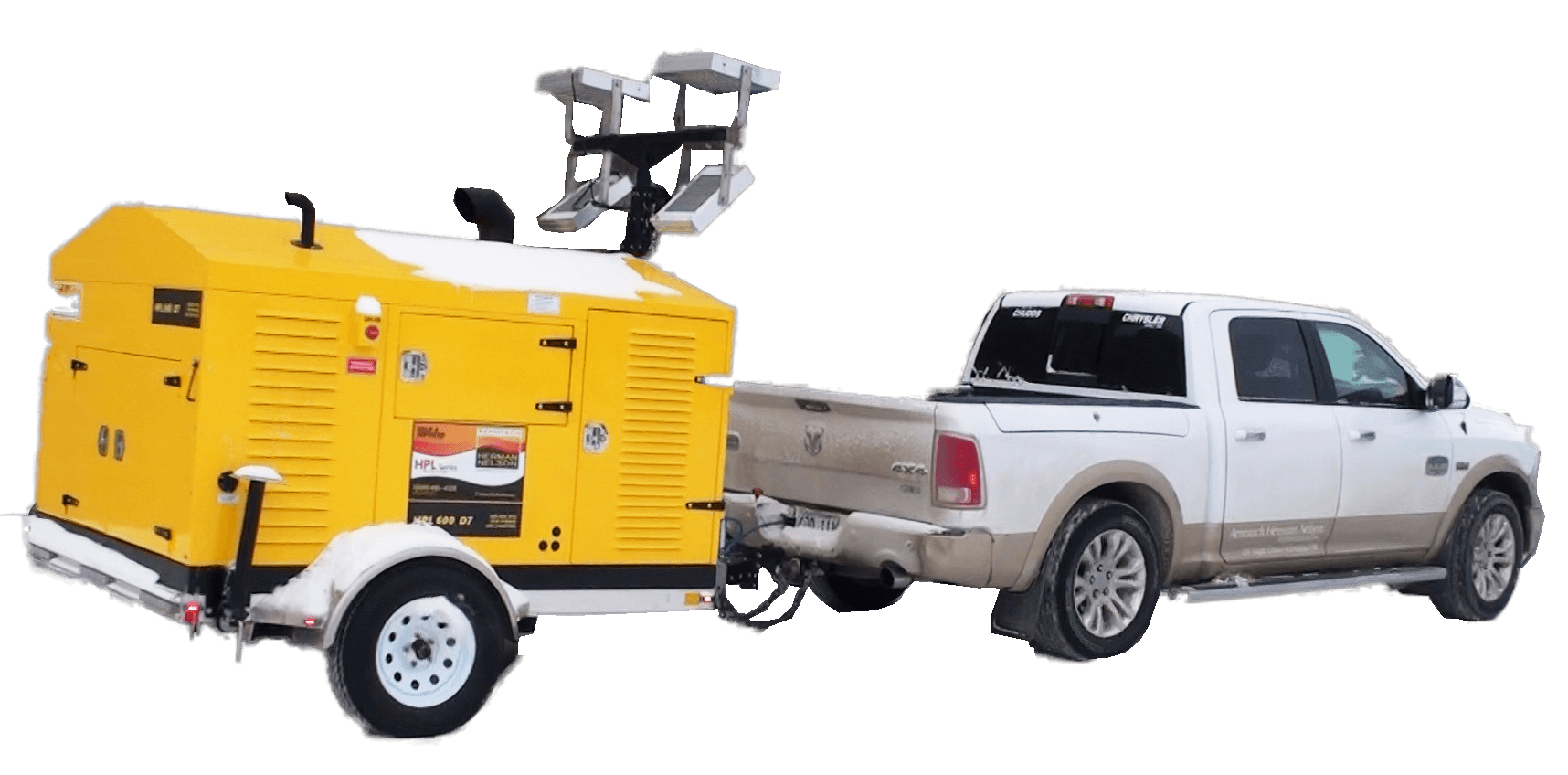
Every year, the first major cold weather event highlights the importance of industrial heater planning as demand for heating equipment begins to rise across multiple industries.
Construction projects need temporary heat to keep schedules on track. Airports prepare for winter ground operations. Oil and gas facilities protect equipment and personnel from harsh conditions. Rental fleets experience a sudden increase in requests as customers scramble to secure available units.
The challenge is that many organizations begin looking for heating equipment at the same time.
As demand increases, equipment availability can become limited, lead times may grow longer, rental inventory can tighten, and transportation costs can rise. What appears to be a simple equipment purchase can quickly become an operational problem that affects schedules, budgets, and productivity.
This is why industrial heater planning is often most effective months before winter arrives. Organizations that prepare early typically have more equipment options, greater budget control, and fewer disruptions when temperatures begin to fall.
The true cost of waiting is rarely the heater itself—it is the downtime, delays, and operational risk that can follow.
Quick Answer
Industrial heater planning helps organizations avoid equipment shortages, longer lead times, higher rental costs, expedited freight charges, and costly project delays. Companies that begin planning before winter often have more equipment options, better budget control, and improved operational readiness when temperatures begin to fall.
Table of Contents
- Why Industrial Heater Demand Increases So Quickly
- What Happens When Industrial Heating Equipment Is Not Available?
- Understanding the Financial Cost of Delayed Industrial Heater Planning
- The Operational Cost of Delayed Industrial Heater Planning
- How Industrial Heater Planning Reduces Risk
- Industrial Heater Planning Checklist for Winter Readiness
- Aerotech Herman Nelson Experience
- Related Resources for Winter Planning
- FAQ
- Winter Readiness Starts Before Winter
- Planning for Winter Starts with the Right Information
Why Industrial Heater Demand Increases So Quickly
Industrial heater demand rarely increases gradually. In many regions, a sudden drop in temperature can trigger demand across multiple industries at the same time.
Construction projects require temporary heat to maintain schedules and protect temperature-sensitive work. Airports prepare equipment and facilities for winter operations. Oil and gas sites focus on worker comfort, equipment protection, and temporary structures. Mining operations, agricultural facilities, rental fleets, and emergency response organizations may also require additional heating capacity as conditions change.
The challenge is that many of these organizations begin searching for equipment simultaneously.
As demand increases, pressure can quickly spread throughout the supply chain, affecting:
- Equipment inventory availability
- Rental fleet capacity
- Service and maintenance resources
- Replacement parts availability
- Transportation and freight networks
What may have been readily available during the off-season can become significantly more difficult to secure during peak winter demand. This is one of the primary reasons industrial heater planning is often recommended well before cold weather arrives.
What Happens When Industrial Heating Equipment Is Not Available?
When heating equipment is unavailable, the impact often extends far beyond temporary discomfort. For many organizations, a lack of reliable heat can affect schedules, productivity, budgets, and operational continuity.
Project Delays
Many construction and industrial activities depend on maintaining suitable temperatures. Concrete work, coatings, temporary structures, maintenance projects, and other weather-sensitive operations may be delayed when adequate heat is not available.
Even short delays can create scheduling challenges that affect multiple phases of a project.
Reduced Productivity
Cold working environments can slow operations and make routine tasks more difficult to perform efficiently. Workers may require additional breaks, equipment can become more difficult to operate, and overall productivity may decline.
For organizations operating on tight schedules, lost productivity can quickly become a significant cost.
Safety Risks
Maintaining appropriate temperatures can help support safer working conditions for personnel and equipment. Inadequate heating may contribute to uncomfortable working environments, frozen systems, reduced equipment performance, and other operational challenges that require additional attention.
Emergency Procurement Costs
When heating equipment is needed immediately, organizations often have fewer options available. Rental inventory may be limited, transportation costs may increase, and teams may be forced to make purchasing decisions under time pressure.
Emergency procurement rarely provides the same flexibility, pricing, or equipment selection that is available during the planning stage.
The Real Cost Is Often Downtime
While organizations often focus on the cost of the heater itself, the larger expense is frequently the cost of disruption. Delayed schedules, lost productivity, increased labor costs, and operational interruptions can quickly exceed the investment required to secure heating equipment before winter demand peaks.
Understanding the Financial Cost of Delayed Industrial Heater Planning
The financial impact of delayed industrial heater planning extends beyond equipment costs. The table below highlights several common cost factors organizations may encounter when they wait until winter demand begins to increase.
| Cost Factor | Potential Impact |
| Rental shortages | Higher rental rates |
| Limited inventory | Fewer equipment choices |
| Expedited shipping | Increased freight costs |
| Downtime | Lost productivity |
| Project delays | Schedule overruns |
| Emergency purchases | Reduced purchasing leverage |
While higher rental rates, freight costs, and emergency purchases can increase heating budgets, these expenses are often only part of the financial impact.
For many organizations, the largest cost is operational disruption. Delayed projects, lost productivity, idle crews, schedule overruns, and equipment downtime can quickly exceed the cost of securing heating equipment in advance.
This is why industrial heater planning should be viewed as a risk management decision rather than simply an equipment purchase. Organizations that prepare before winter demand increases are often better positioned to control costs, maintain schedules, and respond to changing conditions without costly last-minute decisions.
The Operational Cost of Delayed Industrial Heater Planning
The financial impact of delayed heater planning is often easy to measure. The operational impact can be much harder to calculate—and in many cases, much more significant.
When heating equipment is unavailable or delayed, organizations may experience disruptions that affect schedules, personnel, equipment, and customer commitments.
Construction
Imagine a project team preparing for a concrete pour when temperatures suddenly drop below acceptable thresholds. Without adequate temporary heat, work may need to be postponed, subcontractors rescheduled, and project timelines adjusted.
What begins as a heater availability issue can quickly become a scheduling issue affecting multiple trades and project milestones.
Aviation
An airport maintenance team may require heating equipment to support winter servicing activities, equipment readiness, or temporary maintenance operations. If the required equipment is unavailable when temperatures drop, maintenance schedules may be disrupted and operational flexibility reduced.
In aviation environments, even small delays can create challenges that ripple through larger operational plans.
Oil & Gas
Remote sites often depend on temporary heat to protect equipment, support personnel, and maintain operational continuity during cold weather.
If heating equipment cannot be deployed when needed, organizations may face increased risk of weather-related interruptions, reduced worker comfort, and additional operational challenges during critical periods.
Rental Fleets
Rental companies frequently experience demand spikes during the first major cold-weather events of the season. When inventory is fully committed, fleet managers may have limited ability to respond to customer requests.
This can result in missed rental opportunities, strained customer relationships, and difficult decisions about equipment allocation.
Small Delays Can Become Larger Problems
One of the most common misconceptions is that heating equipment can always be secured at the last minute. In reality, delays in availability can affect multiple areas of an operation simultaneously.
The longer organizations wait to evaluate their heating requirements, the fewer options they may have available when demand reaches its peak.
How Industrial Heater Planning Reduces Risk
The good news is that many of the challenges associated with winter heating can be avoided through proactive planning.
Organizations that evaluate their heating requirements during the off-season often have more options available and greater control over equipment, budgets, and scheduling. Rather than reacting to the first cold-weather event, they can prepare their operations before demand begins to increase.
Better Equipment Availability
Equipment inventory is typically more accessible before winter demand peaks. Planning early gives organizations more flexibility when selecting heater types, capacities, and configurations that best fit their application.
Instead of choosing from what remains available, teams can often choose from what is most appropriate for the job.
Scheduled Maintenance
The off-season provides an ideal opportunity to inspect, test, and service existing heating equipment.
Preventative maintenance can help identify worn components, address potential issues, and improve reliability before heaters are needed in critical operating conditions.
Parts Procurement
Replacement parts and accessories are often easier to source before seasonal demand increases.
By identifying maintenance requirements early, organizations can secure critical components, avoid unexpected delays, and reduce the likelihood of equipment being unavailable when winter arrives.
Better Budget Control
Emergency purchases and last-minute rentals are rarely the most cost-effective option.
Planning ahead allows organizations to compare equipment options, schedule maintenance activities, forecast heating requirements, and make purchasing decisions with greater confidence and fewer time pressures.
Greater Operational Confidence
Perhaps the greatest benefit of industrial heater planning is knowing that equipment is ready when it is needed.
When temperatures begin to fall, organizations that have already completed their planning, maintenance, and procurement activities can focus on operations rather than scrambling to secure equipment at the last minute.
Preparation Creates Flexibility
Winter weather is often unpredictable. Equipment availability, rental inventory, transportation capacity, and service resources can all become constrained as demand increases.
Organizations that prepare early are generally better positioned to respond to changing conditions, maintain schedules, and reduce the operational risks associated with cold-weather operations.
Industrial Heater Planning Checklist for Winter Readiness
Preparing for winter is often easier and less expensive when planning begins before temperatures start to fall. Use the following checklist to help identify potential gaps before peak heating demand arrives.
✔ Review Heating Requirements
Evaluate upcoming projects, facilities, temporary structures, and operational areas that may require heat during colder months. Changes in project scope or operating conditions can affect heating requirements.
✔ Calculate BTU Demand
Ensure heating capacity matches the application. Undersized equipment may struggle to maintain temperatures, while oversized equipment can create unnecessary operating costs.
Related Resource: Use our BTU Calculator to estimate heating requirements.
✔ Inspect Existing Heaters
Inspect heaters for signs of wear, damage, fuel system issues, electrical concerns, airflow restrictions, and other maintenance needs before the equipment is placed into service.
✔ Replace Worn Components
Address worn hoses, filters, belts, batteries, ducting, and other components before they create unexpected downtime during critical operations.
✔ Schedule Annual Service
Preventative maintenance can help identify potential issues before peak demand periods and improve equipment reliability throughout the heating season.
✔ Download Equipment Manuals
Ensure operators and maintenance personnel have access to the latest equipment manuals, troubleshooting information, and operating procedures.
✔ Secure Rental Equipment if Required
If additional heating capacity may be needed, consider reserving rental equipment before seasonal demand increases and inventory becomes limited.
✔ Confirm Spare Parts Availability
Review critical spare parts requirements and confirm availability before winter demand places additional pressure on supply chains.
✔ Develop Contingency Plans
Identify backup heating options and response procedures in case equipment failures, unexpected weather events, or operational changes occur during the season.
✔ Contact Your Heating Equipment Supplier
If you are unsure whether your current equipment is prepared for winter operations, speak with your heating equipment supplier before demand increases. Early conversations often provide more flexibility than last-minute requests during peak season.
Aerotech Herman Nelson Experience
For decades, Aerotech Herman Nelson has supported organizations operating in some of North America’s most demanding cold-weather environments.
From construction projects and aviation operations to mining sites, oil and gas facilities, rental fleets, and emergency response deployments, one common pattern appears year after year: the organizations that experience the fewest winter disruptions are often the ones that begin preparing long before temperatures begin to fall.
Over the years, we have seen how proactive planning can help reduce downtime, improve equipment availability, simplify maintenance scheduling, and provide greater operational flexibility during peak heating season.
While every operation has different requirements, the principle remains the same—winter readiness is rarely achieved at the last minute. It is typically the result of planning, preparation, maintenance, and equipment readiness completed well before heating equipment becomes critical to daily operations.
Whether the goal is supporting a construction schedule, maintaining airport operations, protecting equipment at a remote site, or preparing rental inventory for increased demand, early industrial heater planning can help reduce risk and improve operational confidence throughout the heating season.
Key Takeaways
✔ Industrial heater demand often increases rapidly when temperatures begin to fall.
✔ Lead times, rental availability, and transportation capacity can become more constrained during peak demand periods.
✔ Delayed heater planning can contribute to project delays, increased costs, and operational disruptions.
✔ The cost of downtime and lost productivity often exceeds the cost of the heating equipment itself.
✔ Preventative maintenance and parts planning are easier to complete before winter demand increases.
✔ Organizations that begin planning during the summer and fall generally have more flexibility, more equipment options, and greater control over costs.
✔ Industrial heater planning is most effective when treated as part of an overall winter readiness strategy rather than a last-minute equipment purchase.
Every operation has unique heating requirements, but the questions below address some of the most common concerns organizations have when preparing for winter operations.
Related Resources for Winter Planning
Industrial heater planning often involves more than selecting equipment. The resources below can help you estimate heating requirements, compare heater types, access technical support, and prepare your operation for the upcoming heating season.
| Resource | Description | Action |
|---|---|---|
| Choosing the Right Industrial Heater | Compare common industrial heater types and identify the best fit for your application. | View Guide → |
| BTU Calculator | Estimate heating requirements and determine the capacity needed for your project or facility. | Use Calculator → |
| Heater Support | Access troubleshooting information, technical support resources, and product assistance. | View Support → |
| Parts & Accessories | Find replacement parts and accessories to help maintain equipment reliability. | View Parts → |
| Download Manuals | Access equipment manuals, operating instructions, and technical documentation. | Download Manuals → |
| Heater Overhaul Services | Prepare your equipment for winter with inspection, maintenance, and overhaul services. | Learn More → |
| Contact Aerotech Herman Nelson | Speak with our team about heater selection, winter readiness, or equipment planning. | Contact Us → |
Frequently Asked Questions
Many organizations begin evaluating heating requirements during summer or early fall to avoid seasonal demand spikes.
Demand often rises rapidly across multiple industries, creating pressure on inventory, transportation, service capacity, and rental fleets.
Yes. Preventative maintenance helps identify potential issues before operators rely on the equipment in critical conditions.
Yes. Limited equipment availability can contribute to delays, productivity losses, and increased operating costs.
A BTU calculation can help determine heating demand based on the application and environment.
Many organizations begin industrial heater planning during the summer or early fall. Starting early provides more time to evaluate heating requirements, inspect existing equipment, schedule maintenance, secure replacement parts, and reserve rental equipment before seasonal demand increases. Early planning can also help reduce the risk of delays, shortages, and emergency procurement costs.
Any industry that operates in cold-weather environments can benefit from industrial heater planning. Common examples include construction, aviation, oil and gas, mining, agriculture, emergency response, and rental operations. Organizations that depend on temporary heat to support personnel, protect equipment, maintain schedules, or operate temporary facilities often gain the greatest advantage from planning before winter arrives.
Yes. Rental equipment availability can become more limited during periods of peak winter demand. When temperatures drop, multiple industries may require heating equipment at the same time, increasing pressure on rental fleets and transportation resources. Organizations that reserve rental equipment in advance often have more options available and may avoid the challenges associated with last-minute equipment shortages.
Winter Readiness Starts Before Winter
When temperatures begin to fall, organizations often have less flexibility than they expect. Equipment availability can become limited, rental inventory may tighten, transportation costs can increase, and service teams may already be supporting other customers preparing for the same weather conditions.
The challenge is that winter heating issues rarely begin when the cold arrives. In many cases, organizations create those challenges months earlier when they postpone planning, maintenance, equipment inspections, and procurement activities.
Organizations that consistently navigate winter successfully tend to follow a different approach. They review their heating requirements early, inspect and service existing equipment, confirm parts availability, and secure additional resources before demand begins to increase.
Industrial heater planning is not simply about securing equipment. It is about reducing operational risk, protecting schedules, controlling costs, and ensuring teams have the resources they need when conditions become more challenging.
The organizations that experience the fewest winter disruptions are often the ones that begin preparing long before temperatures start to fall.
Winter readiness starts before winter.
Planning for Winter Starts with the Right Information
Industrial heater planning involves more than simply selecting a heater. Airflow requirements, fuel availability, application type, deployment conditions, and heating capacity can all affect equipment performance and project success.
Our Industrial Heater Selection Guide compares common heater types and outlines key considerations to help teams make more informed heating decisions before winter demand increases.