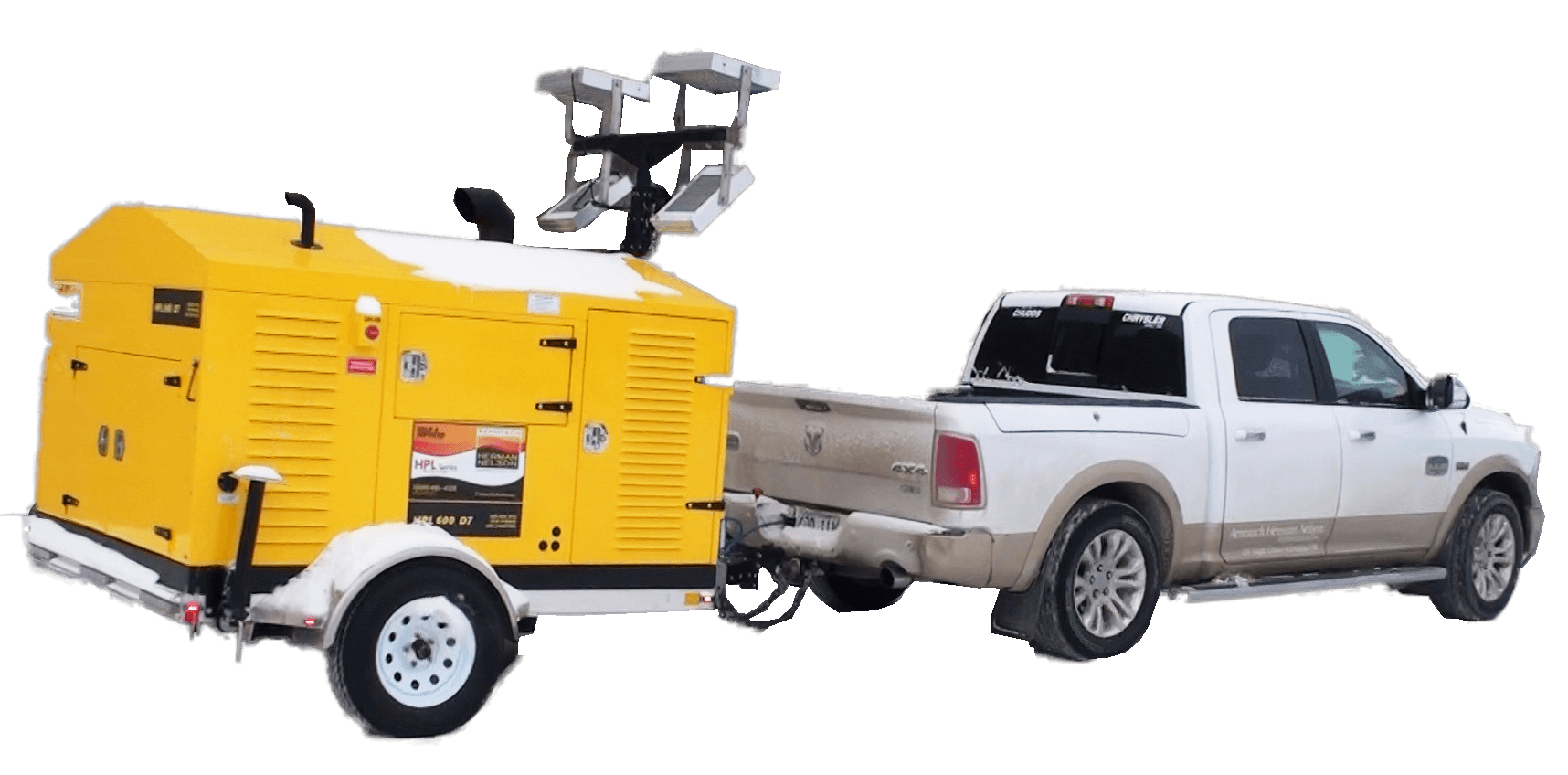
How to choose an industrial heater for construction, aviation, oil and gas, rental fleets, and emergency response applications. Different job sites, buildings, and operating environments require different heating approaches. A construction site, aircraft hangar, remote energy site, rental fleet application, and emergency response operation may all require heat, but the best heater for each situation can be very different.
That is why Aerotech Herman Nelson created the Industrial Heater Selection Guide — a practical comparison resource built to help teams understand the main types of industrial heaters and how they are commonly used in real-world applications. The guide is designed for construction, oil and gas, aviation, rental fleets, and emergency operations.
👉 Download the full Industrial Heater Selection Guide:
https://hermannelson.com/industrial-heater-selection-guide/
This guide is designed to help buyers understand how to choose an industrial heater based on airflow, fuel, ducting, runtime, safety classification, and application needs.
Why Industrial Heater Selection Matters
Industrial heating is used in demanding environments where performance, safety, airflow, fuel logistics, and reliability all matter.
The wrong heater can create problems such as:
- Poor heat distribution
- Higher fuel usage
- Unsafe application fit
- Inadequate airflow
- Delays during site approval
- Equipment that cannot maintain temperature in real-world conditions
The right heater, on the other hand, is matched to the actual job site conditions.
That means looking beyond BTU output alone.
What Factors Determine the Right Industrial Heater?
Before choosing an industrial heater, project teams should review the conditions the heater will operate in.
Important selection factors include:
- Size and structure of the space
- Insulation levels
- Air exchange and wind exposure
- Door openings and air leaks
- Ducting distance
- Fuel availability
- Runtime requirements
- Safety classification
- Deployment timeline
- Availability of on-site electricity
Two buildings with the same square footage can require very different heating solutions. A well-insulated enclosed warehouse will behave differently than a temporary structure with air leaks, open doors, and high wind exposure.
This is why the heater must be matched to the real heating load, not just the physical dimensions of the space.
Industrial Heater Comparison: Main Heater Types
There are several common types of industrial heaters. Each one is designed for different operating conditions.
1. Indirect-Fired Heaters
Indirect-fired heaters are commonly used when clean, dry heated air is required.
These systems separate combustion gases from the heated air being delivered into the space. Exhaust fumes are vented outside through a flue or exhaust stack, while clean heated air is directed into the work area.
Indirect-fired heaters are commonly used for:
- Aircraft hangars
- Aviation ground support
- Construction sites
- Temporary structures
- Equipment maintenance areas
- Warehouses
- Emergency response operations
They are a strong fit when heated air needs to be ducted into enclosed or sensitive environments.
Common examples include:
2. Recirculating Heaters
Recirculating heaters are designed to reuse warm air from the space being heated.
Instead of constantly heating cold outside air, these systems draw in already-warmed air, heat it further, and discharge it back into the space. This can improve fuel efficiency and help maintain stable temperatures over longer periods.
Recirculating heaters are commonly used in:
- Large enclosed spaces
- Remote camps
- Oil and gas operations
- Rental fleet applications
- Industrial buildings
- Emergency response sites
They are often selected when maintaining temperature over long runtimes and reducing fuel consumption is important.
Common examples include:
3. Flameless Heaters
Flameless heaters are specialized heating systems used in environments where open flame equipment may be restricted or prohibited.
These heaters are often selected for hazard-sensitive or classified industrial environments where safety requirements determine what type of heating equipment can be used.
Flameless heaters may be used in:
- Refineries
- Classified industrial zones
- Regulated energy facilities
- Hazard-sensitive operations
- Oil and gas sites with strict safety requirements
Because safety classification can affect approval and equipment selection, these requirements should be reviewed early in the planning process.
4. Electric Heaters
Electric heaters are typically used in smaller enclosed spaces where electric power is available and combustion is not desired.
They do not produce combustion fumes because there is no fuel combustion process. However, electric heaters are often limited by available power supply and may not be practical for large industrial spaces or extreme cold applications.
Electric heaters are commonly suited for:
- Small enclosed spaces
- Light indoor use
- Areas with reliable power
- Applications where fuel-based equipment is not required
5. Direct-Fired Heaters
Direct-fired heaters discharge heat directly into the space.
They can be effective in open or well-ventilated environments, but they are not usually the right fit for enclosed spaces where clean, dry air is required. Because combustion byproducts are introduced into the heated space, ventilation and application fit are extremely important.
Direct-fired heaters are commonly used for:
- Open construction sites
- Ventilated work areas
- Temporary outdoor heating
- Applications where clean ducted air is not required
The 5 Questions Buyers Should Ask Before Choosing an Industrial Heater
A good heater selection process starts with the right questions.
1. What size area needs to be heated?
Heating performance depends on the volume and structure of the space, not just square footage.
Important considerations include:
- Total volume
- Insulation
- Door openings
- Air leaks
- Wind exposure
A large aircraft hangar, temporary structure, and remote facility may all require different heating strategies.
2. How much air exchange is happening?
Many industrial environments constantly bring in outside air.
Examples include:
- Aircraft hangars with large doors
- Construction sites with open structures
- Oil and gas locations exposed to wind
Higher air exchange rates require stronger airflow and heating capacity.
3. Does the site have a safety classification?
Some environments have safety classifications that affect what type of heating equipment can be used.
Examples include:
- Refineries
- Regulated energy facilities
- Classified industrial zones
- Hazard-sensitive industrial operations
Understanding these requirements early helps avoid delays during equipment selection and approval.
4. How far does the heat need to travel?
In many applications, heated air must move through ducting before reaching the work area.
This is common in:
- Aircraft hangars
- Temporary structures
- Large industrial facilities
- Remote work areas
Longer duct runs require heaters that can maintain airflow and temperature over distance.
5. How long does the heater need to run?
Runtime matters, especially in remote or critical operations.
For example:
- Remote energy sites may need long continuous runtime
- Construction sites may need temporary heating cycles
- Emergency response sites may require rapid deployment
- Aviation operations may require reliable heating during cold-weather ground support
Fuel efficiency, fuel logistics, and reliability become more important as runtime requirements increase.
Quick Comparison: Which Industrial Heater Type Fits Best?
If you are comparing heater types and trying to understand how to choose an industrial heater, start by matching the heater style to the working environment.
| Heater Type | Best Used For | Common Industries |
|---|---|---|
| Indirect-Fired Heaters | Clean, ducted heated air | Aviation, construction, oil and gas, emergency response |
| Recirculating Heaters | Efficient heating of enclosed spaces | Oil and gas, rental fleets, remote camps, industrial facilities |
| Flameless Heaters | Hazard-classified or open-flame restricted areas | Refineries, regulated energy sites, classified zones |
| Electric Heaters | Small enclosed spaces with available power | Light indoor use, workshops, temporary indoor heat |
| Direct-Fired Heaters | Open or ventilated areas | Open construction sites and outdoor work areas |
When Should You Use an Industrial Heater Selection Guide?
An industrial heater selection guide is useful when you are comparing multiple heater types and need to understand which system best fits your application.
It is especially helpful when:
- You are heating a large or unusual space
- You are unsure whether you need indirect-fired, recirculating, flameless, electric, or direct-fired heat
- Your site has safety requirements
- You need ducted heat
- Fuel availability is a concern
- The heater must run for long periods
- You are planning ahead for winter operations
- You need help explaining options to a purchasing team
The goal is not always to choose a specific model immediately. The first step is choosing the correct heating approach.
Get the Full Industrial Heater Selection Guide
Aerotech Herman Nelson’s Industrial Heater Selection Guide was created to help project teams how to choose an industrial heater and compare heater types and better understand which heating solution fits their environment.
The guide covers:
- Key heater selection factors
- Industrial heater comparison matrix
- Indirect-fired heaters
- Recirculating heaters
- Flameless heaters
- Buyer questions before choosing a heater
- Application considerations for construction, oil and gas, aviation, rental fleets, and emergency operations
👉 Download the full guide here:
https://hermannelson.com/industrial-heater-selection-guide/
Need figuring out how to choose an industrial heater?
If you are evaluating heating equipment for an upcoming project, our team can help review your application and recommend the most appropriate heating approach.
Whether you need clean ducted heat, long-runtime performance, recirculating efficiency, aviation ground support heating, construction site heat, or emergency response equipment, Aerotech Herman Nelson can help you compare your options.
Built in Canada. Delivered Worldwide.
Aerotech Herman Nelson International Inc.
100 Eagle Drive
Winnipeg, Manitoba, Canada
Outside Canada: 1 (800) 486-4328
Within Canada: 1 (204) 633-1999
Email: Sales@hermannelson.com
Frequently Asked Questions About How to Choose an Industrial Heater
What is the best industrial heater for enclosed spaces?
For enclosed spaces where clean air is important, indirect-fired heaters are often a strong choice because combustion gases are separated from the heated air. Recirculating heaters may also be a good fit for enclosed spaces where heat can be reused efficiently.
What is the difference between indirect-fired and direct-fired heaters?
Indirect-fired heaters separate combustion gases from the heated air and vent exhaust outside. Direct-fired heaters discharge heat directly into the space, which means ventilation and application fit are very important.
When should I use a recirculating heater?
A recirculating heater is often used in enclosed environments where maintaining temperature over long periods and reducing fuel consumption are priorities. These systems reuse warmed air instead of constantly heating cold outside air.
When are flameless heaters required?
Flameless heaters may be required in hazard-classified or open-flame restricted environments, such as refineries, regulated energy facilities, and certain oil and gas operations.
What should I consider before choosing an industrial heater?
Before choosing an industrial heater, consider the size of the space, insulation, air exchange, ducting distance, fuel availability, runtime requirements, safety classification, and deployment timeline.
Helpful Resources for Choosing the Right Industrial Heater
For applications involving regulated or classified environments, always confirm site-specific requirements with your safety team and applicable codes. In Canada, workplace health and safety guidance is available through the Canadian Centre for Occupational Health and Safety
- Industrial Heater Selection Guide
https://hermannelson.com/industrial-heater-selection-guide/ - BTU Calculator
https://hermannelson.com/btu-calculator/ - Herman Nelson BT400 Series
https://hermannelson.com/herman-nelson-bt400-series/ - HPL 600D7 Indirect Heater
https://hermannelson.com/indirect-heater-hpl-600d7/ - Blaze Recirculating Heater Catalog
https://hermannelson.com/blaze-recirculating-heater-catalog/ - Frost Fighter Heaters
https://hermannelson.com/frost-fighter/