The Season of Winter Readiness
Winter readiness starts in the fall — it’s not just another season, it’s the last chance to prepare before the freeze. Miss it, and you’re not only risking cold crews but also six-figure losses from downtime, grounded flights, or frozen equipment.
Every year, companies tell themselves there’s still time. And every year, the first cold snap exposes the cracks in that thinking. Crews freeze, projects stall, flights delay, and what could have been a routine bit of preparation turns into a costly emergency.
If your operation runs in aviation, construction, oil & gas, or disaster relief, the risks aren’t abstract. They’re real, immediate, and expensive. Fall is the perfect time to take control — to service equipment, secure the right heaters, and ensure your teams aren’t caught off guard when the temperature drops.
Because when winter arrives, only businesses that have prepared in advance stay ahead.
Industries Where Winter Readiness Matters Most
Please keep in mind, not every industry grinds to a halt when the temperature drops, but for those that do, the stakes couldn’t be higher. If you’re in one of these sectors, fall heating preparation isn’t a nice-to-have — it’s survival.
Aviation
When an aircraft can’t leave the hangar because ground support equipment is frozen or crews are working in unsafe conditions, the ripple effect is massive. Flight delays pile up, schedules collapse, and costs rise fast. Reliable heating isn’t just about keeping mechanics comfortable — it’s about maintaining a comfortable environment for airborne planes and passengers in motion.
Construction
No sector feels the sting of cold weather quite like construction. When the ground freezes, it’s not just workers who get uncomfortable — the entire site grinds to a halt. Concrete won’t cure properly, machinery struggles to run, and schedules slip further with every icy morning. All it takes is a single heater failure to turn weeks of planning into weeks of delays.
Oil & Gas
For oil fields and remote operations, heaters aren’t a luxury — they’re a lifeline. Valves, lines, and machinery don’t care about project timelines; when they freeze, production comes to a halt. Worse still, frozen equipment can create hazardous safety hazards. A properly prepared heating plan keeps crews safe and output steady, regardless of the climate’s severity.
Disaster Relief
In emergencies, there’s no room for error. Relief crews depend on fast, reliable setups to keep shelters, medical stations, and command posts warm. A heater failure here doesn’t just cost money — it puts vulnerable people at risk when they need help most.
The pattern is clear: Mining and military operations face the same reality. When equipment fails at a remote camp or during a mission, the consequences are more than financial — they impact safety, security, and national interests.
Common Mistakes That Undermine Winter Readiness
When it comes to fall heating preparation, most companies don’t stumble because they don’t care — they stumble because they underestimate winter readiness and assume they still have time.
First, waiting too long. By the time the real cold sets in, inventory is already spoken for, service crews are stretched thin, and what could have been a simple prep job turns into an expensive emergency call.
Then there’s maintenance. Skipping maintenance doesn’t save money — it just delays the bill until mid-season, when the stakes (and costs) are way higher. Belts, filters, fuel lines, burner valves — they all take a beating over winter. A quick inspection now saves you from an emergency breakdown when the unit’s running 24/7.
Another common slip? Underestimating the actual heating load. Every hangar, jobsite, and relief shelter has different needs. Install a unit or duct that is too small, or install it improperly, and you’ll waste fuel, lose efficiency, and leave crews shivering.
And finally, forgetting the backup plan. Even the best heater can fail, and without redundancy, one hiccup can freeze your entire operation. That’s not bad luck — that’s bad planning.
The good news is that these mistakes are entirely avoidable. All it takes is a little foresight — and acting now, instead of later.
How to Prepare Now for Winter Readiness
The good news? Fall heating preparation doesn’t need to be complicated. It’s about taking a few smart steps now, before the cold has a chance to throw a wrench in your plans. Think of it as insurance for your entire operation — and one of the smartest moves toward true winter readiness before the cold hits.
Start with a thorough inspection.
Last winter took a toll on your heaters, whether you noticed it or not. Belts wear out, filters clog, and minor issues often go unnoticed until the next hard run. Getting your equipment serviced now — swapping parts, checking fuel lines, and testing airflow — means you won’t be scrambling when you need that unit most.
Know your numbers.
Guessing on heating requirements is a recipe for inefficiency. Every hangar, camp, and jobsite has its own demands, and using a unit that is too small can leave crews in the cold. Tools like our BTU Calculator eliminate the guesswork of sizing, ensuring you have the right heater for the job.
Explore flexible options.
You may not want to tie up capital in a new fleet of heaters. That’s where lease-to-own programs make sense. They allow you to acquire the necessary equipment today, spreading the cost in a manner that suits your budget.
Redundancy plan.
Even with the best prep, machines can fail. Having a backup heater — or at least a contingency plan — ensures one hiccup doesn’t derail an entire operation. In aviation, construction, or disaster relief, redundancy isn’t wasteful. It’s responsible.
Act Early to Secure Winter Readiness
The sooner you move, the more options you’ll have. Once the first frost hits, everyone else will be rushing for service slots and scrambling for equipment. By then, inventory is tight, and costs are climbing. The companies that act in the fall are the ones that stay calm, collected, and on schedule in winter.
Canadian-Built Reliability, Delivered Worldwide
Not all heaters are created equal. Some are built to get the job done — others are built to keep your operation alive in the harshest conditions on Earth. That’s the Herman Nelson difference.
Our heaters have been tested in some of the harshest environments on the planet, from remote northern construction camps to wind-swept airfields and emergency relief zones where downtime is not an option. Crews on the ground know they can trust Herman Nelson because every unit is engineered with durability, efficiency, and safety in mind.
- Built Tough: Designed to withstand extreme cold, heavy use, and constant transport without compromise.
- Certified Safe: Meeting rigorous CSA/UL standards to ensure compliance and reliability in mission-critical situations.
- Field-Proven: Decades of service history supporting aviation, oil & gas, construction, disaster relief, and military operations worldwide.
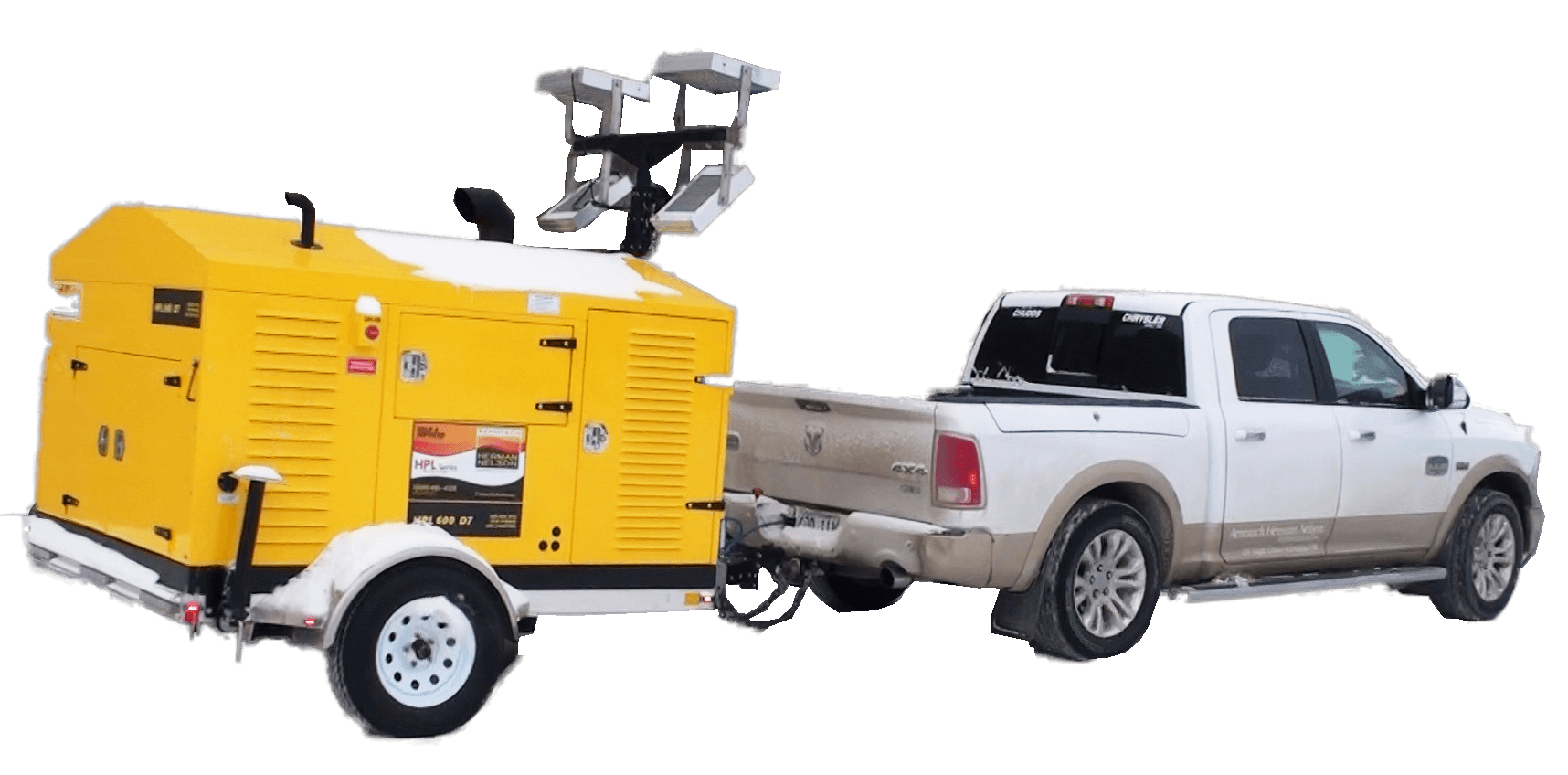
With flagship models like the BT400 NEX SERIES and the HPL 600D7, you’re not just buying equipment — you’re investing in guaranteed winter readiness backed by heaters built tough, certified safe, and field-proven worldwide.
Don’t Let Winter Catch You Off Guard
Winter doesn’t wait, and neither should you. Every day you delay fall heating preparation, your options narrow and your risks grow. Inventory tightens, service crews fill up, and costs rise. By the time the cold arrives, it’s too late to plan — you’re left reacting.
The most innovative leaders prepare in advance. They understand that acting now protects their projects, safeguards their personnel, and secures their financial stability.
👉 Explore Aerotech Herman Nelson’s heating solutions today and get your operation winter-ready — before the cold has a chance to take control.